Fireworks can surprise a dog with unfamiliar sounds, flashes and smells. Prepare a quiet place the dog can enter and leave, keep the home secure and stay nearby if your dog seeks your company. Plan outdoor breaks ahead of the noise. Contact your veterinarian if the fear is intense or you are unsure how to help; do not punish your dog or give medication without professional guidance.
Prepare before the noise
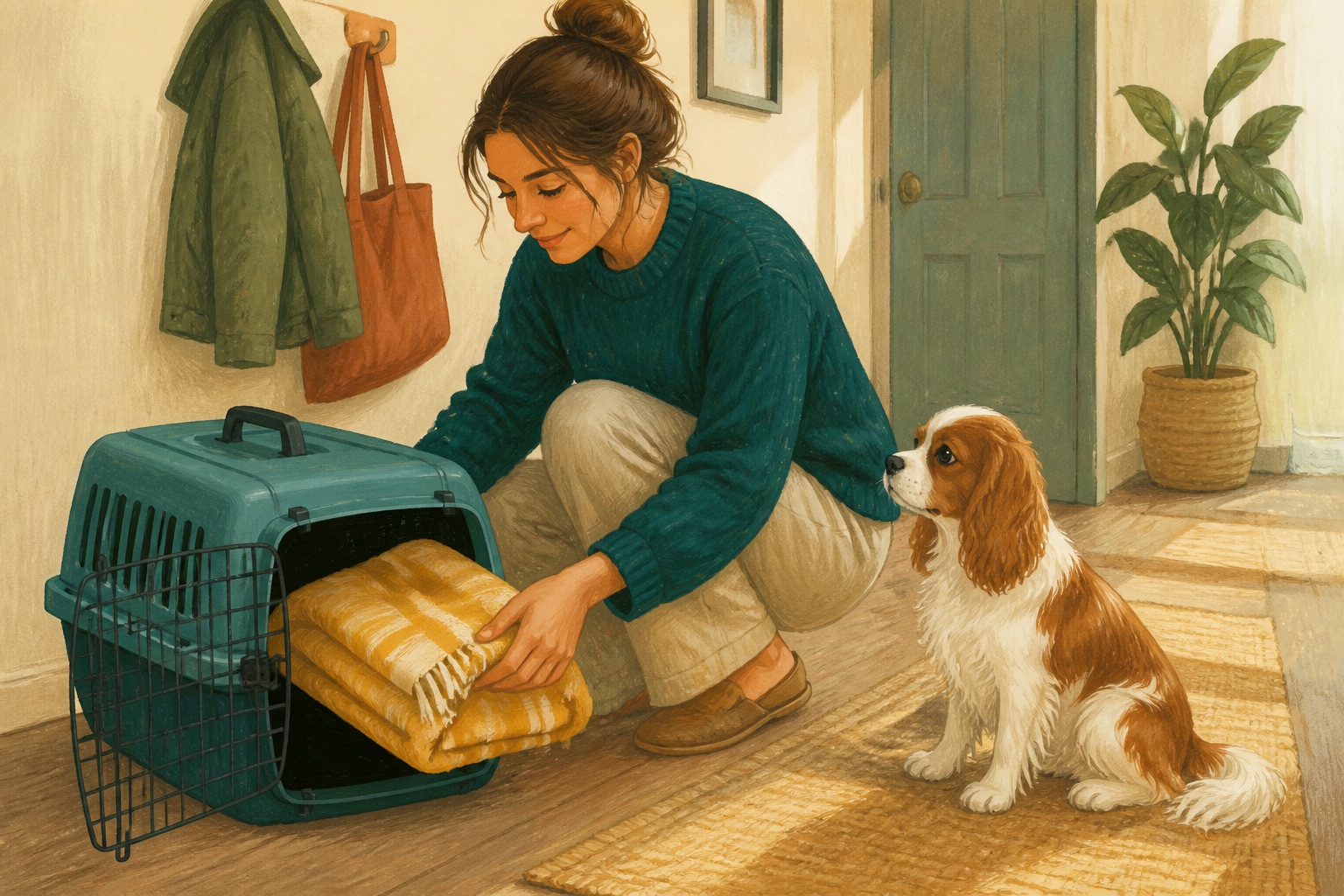
If fireworks are expected, plan a walk and a chance to toilet before the fireworks begin. Use a properly fitted harness or collar and a leash: a sudden fright can cause even a usually calm dog to run. Check that the contact details associated with your dog’s identification are current.
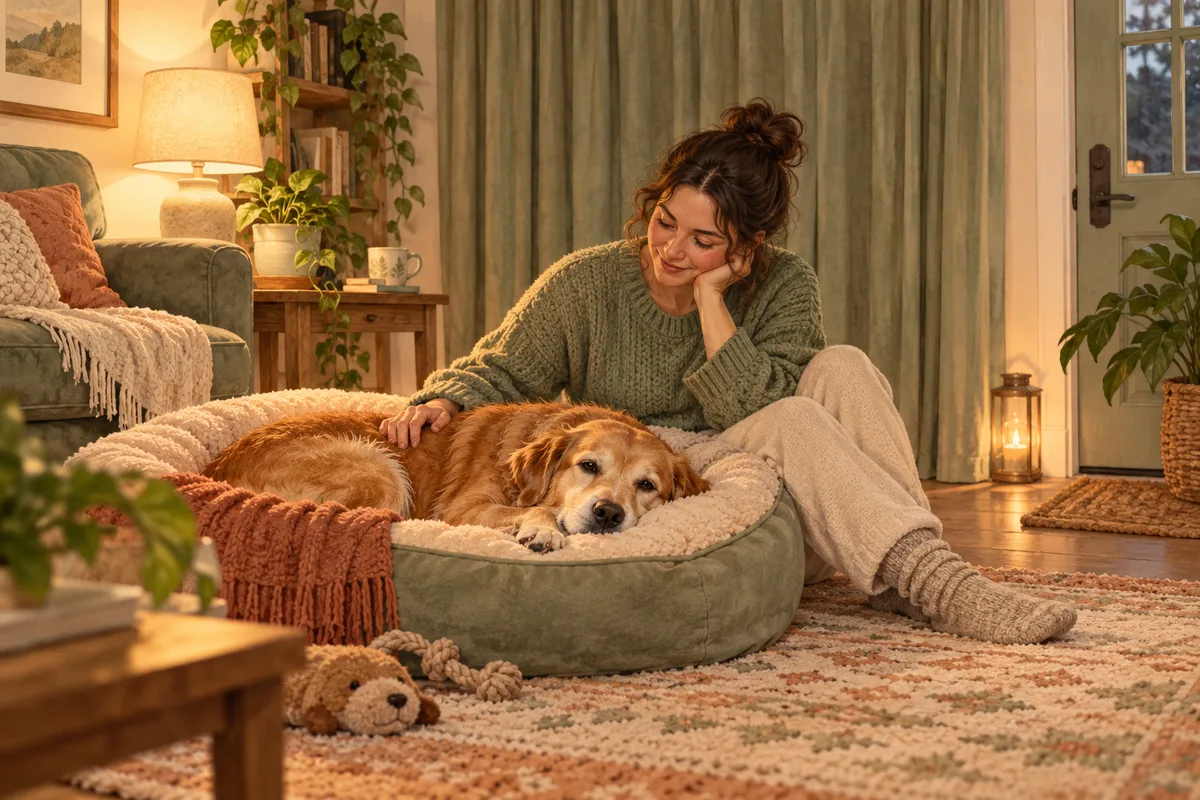
Choose a quiet, accessible indoor space with your dog’s bed or a familiar blanket. If your dog already has a place where the dog feels safe, keep that space accessible. Close windows and curtains and, if helpful, use background sound at a comfortable volume. A refuge is a choice, not a place to shut your dog in. If the dog prefers another safe spot, let the dog choose. The Colegio Oficial de Veterinarios de Málaga recommends an accessible refuge and avoiding punishment.
What to do during fireworks
Keep doors and windows secure to reduce the chance of escape and muffle the noise. If your dog seeks contact, stay with your dog calmly. If your dog prefers to hide, respect the dog’s space and remain nearby. You can offer a familiar toy or activity, but do not insist if your dog is not interested.
Do not take your dog to a fireworks display. Do not tie your dog outside. Do not force your dog out of the hiding place. If an outdoor break is necessary during the noise, wait for a quieter interval where possible, keep the leash secure and return home if the situation overwhelms your dog.
Recognize signs of fear
Fear can appear as trembling, panting, pacing, hiding, attempts to escape, vocalizing or a need to stay close to you. Other dogs become very still or stop taking food. Consider the whole situation and compare it with your dog’s usual behavior; one isolated sign cannot measure exactly how frightened your dog feels.
| When | Prepare | Observe |
|---|---|---|
| Before | A safe outdoor break, identification, secure windows and an accessible refuge | Whether your dog can rest and use the dog’s familiar space |
| During | Company and moderate light or background sound | Whether the dog seeks contact, hides or attempts to escape |
| After | A quiet outdoor break when it is safe | Whether the dog returns to usual activities |
When to ask for help
Contact your veterinarian if fear is intense, your dog has been injured, has concerning physical signs or takes a long time to recover. Describe the noise, what you observed and what seemed to help. Seek urgent care for a serious injury or other emergency; completing a record can wait.
For future events, talk with your veterinary team well ahead of time. Gradual sound training is prepared outside the episode and adapted to the individual dog. Severe fear may need support from a qualified behavior professional. Cornell advises planning ahead and consulting a veterinarian when the response is difficult to manage.
Make a useful note for next time
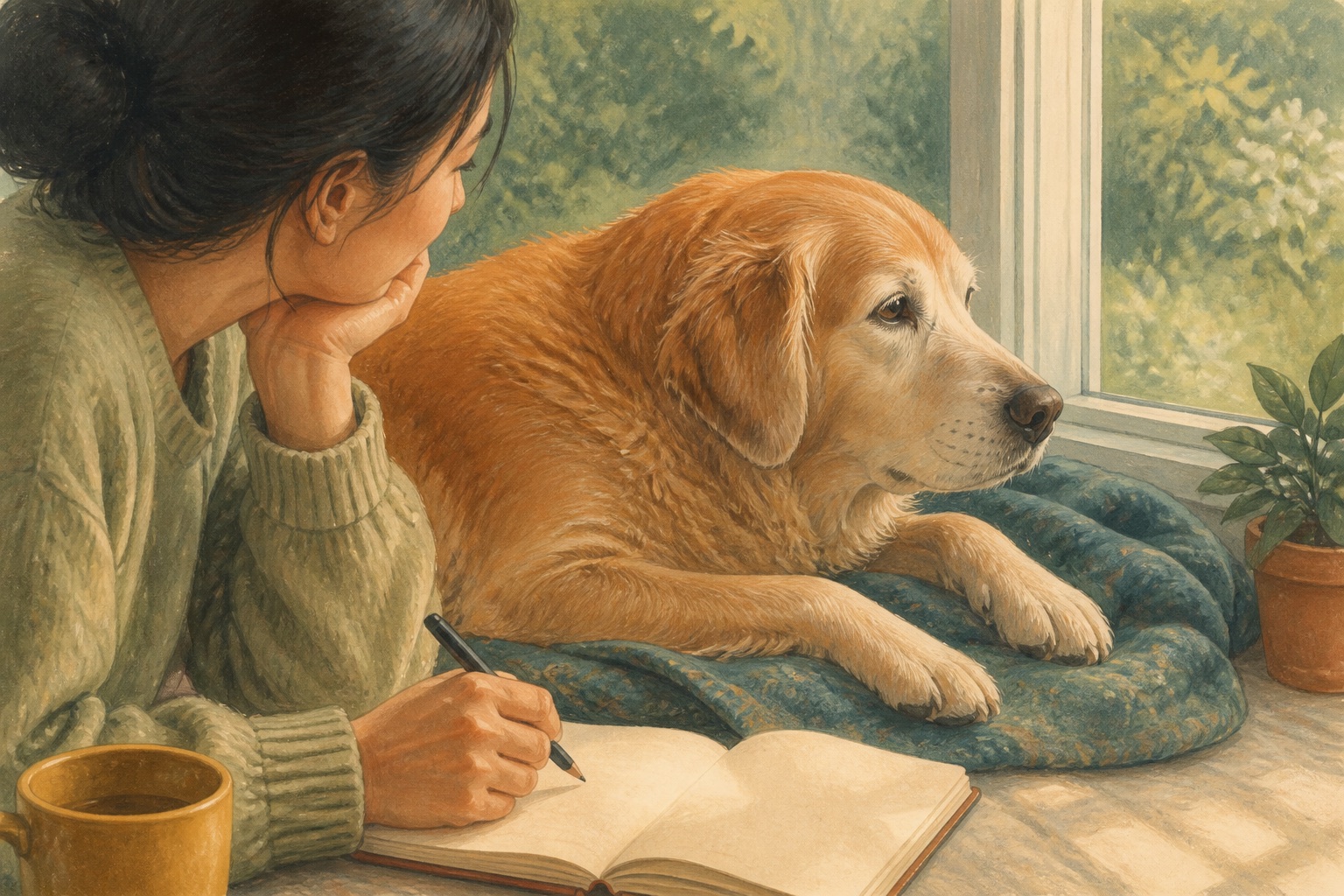
You can record the date, what sound occurred, where your dog chose to be and whether the dog sought contact or shelter. These are observations to share with your clinic, not a diagnosis. Paper works; Nuzzleway can also help organize routines and notes you choose. Using Nuzzleway requires an account and a paid subscription.
See also a flexible daily routine and preparing for a veterinary visit.
These articles offer general, everyday guidance. They do not replace advice from a qualified veterinary professional.