Brush through the undercoat
Frequent, gentle brushing helps keep the full coat comfortable and makes new tangles or skin changes easier to notice.
Pomeranian characteristics and care: a tiny spitz with a full double coat, a curious nature and grooming and handling needs that should fit the individual.
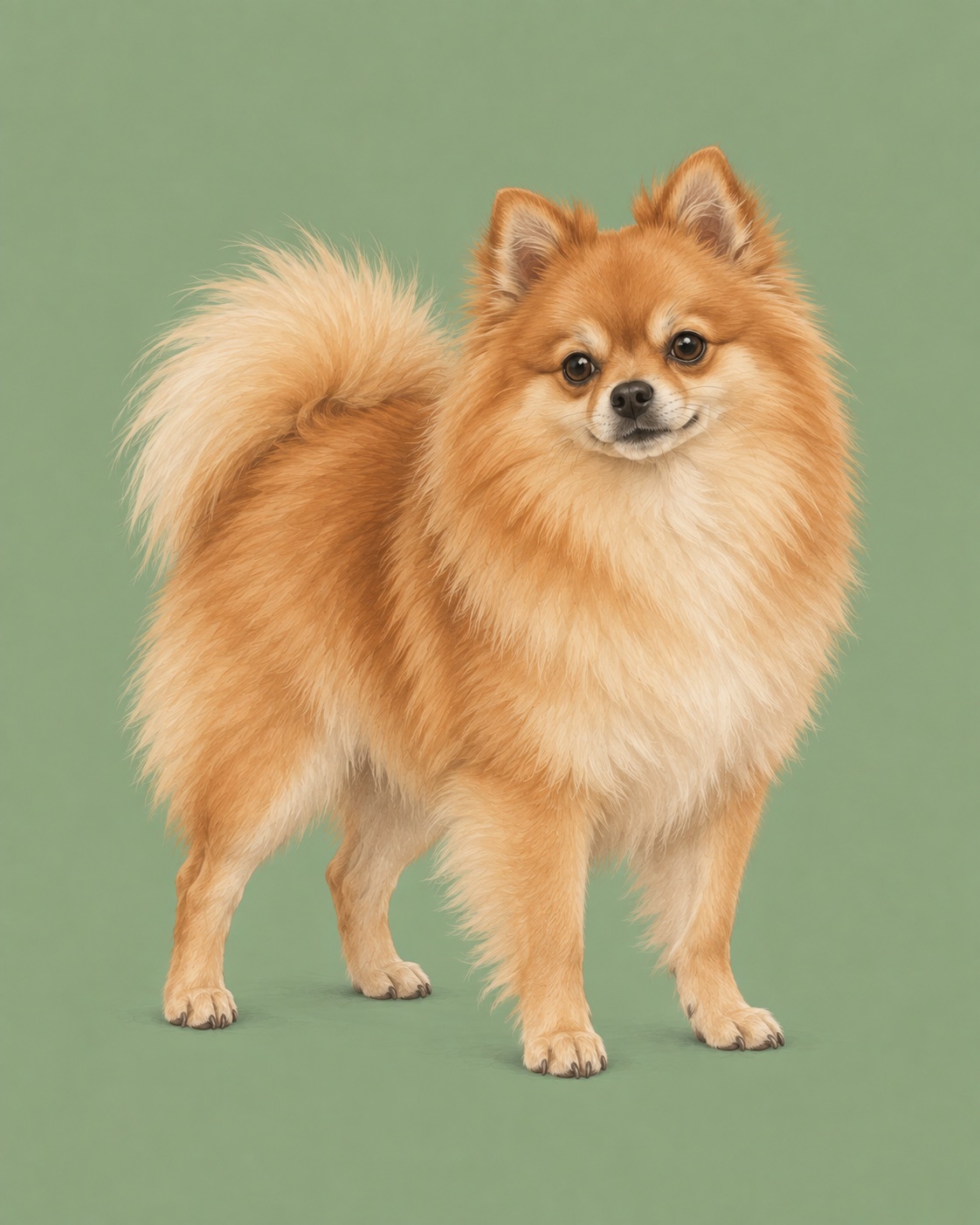
Adult-weight ranges are broad reference points, not a target for an individual dog. Age, sex, build, activity and veterinary advice matter.
A quick reference for the broad traits behind the name. Your dog’s individual history and needs always come first.
Sources: Royal Kennel Club Pomeranian profile ↗ · AKC Pomeranian care and breed overview ↗
A breed is context, not a prescription. Use these ideas to make care easier to notice and discuss.
Frequent, gentle brushing helps keep the full coat comfortable and makes new tangles or skin changes easier to notice.
Let the dog approach when possible, support the body when lifting, and supervise close interactions with children and larger dogs.
Small size does not replace daily movement and exploration. Choose a comfortable pace, safe footing and enough time to settle afterwards.
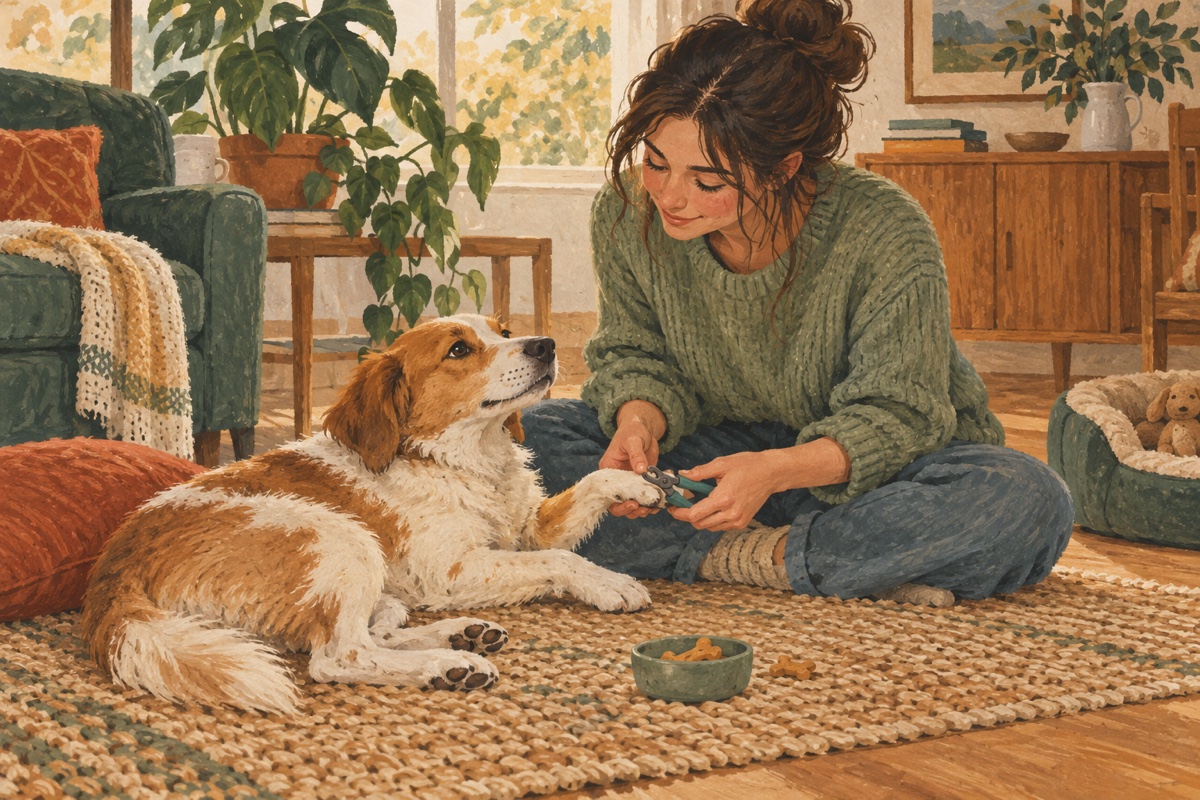
The Pomeranian has a profuse outer coat over a soft undercoat. It sheds, and regular brushing helps remove loose hair and catch tangles before they tighten. Work gently through the coat rather than brushing only the visible surface; a groomer can advise on tools and frequency for your dog.
Grooming is also a quiet chance to notice skin irritation, discomfort around the paws or a change in the coat. Ask a professional for help with severe mats. Shaving the double coat is not a substitute for ongoing coat care.
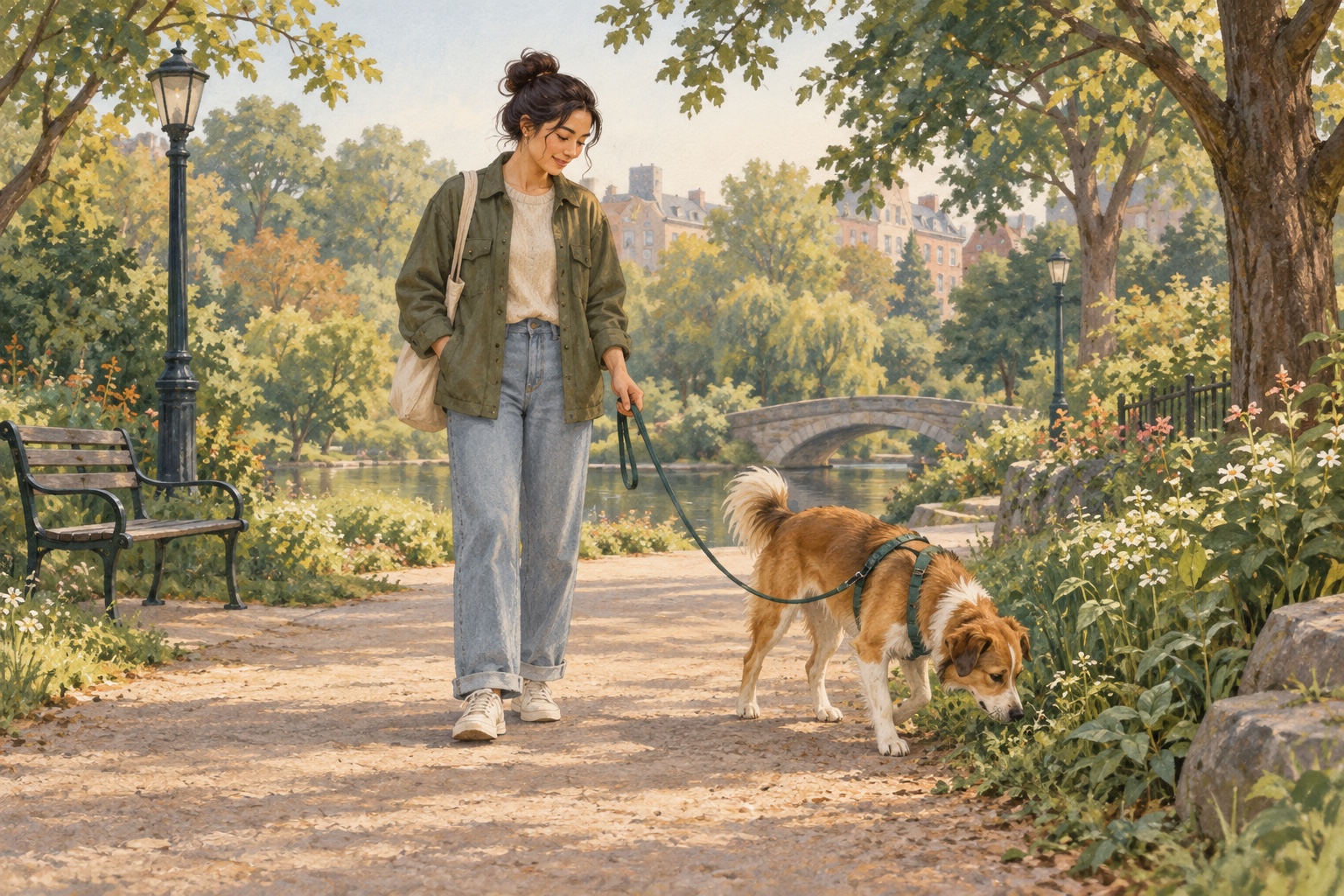
A Pomeranian is a small spitz companion, but small does not mean the dog only needs carrying or indoor play. Many enjoy short walks, sniffing and simple learning games. Let the individual dog’s age, comfort, health and the weather determine pace and duration.
Practise calm handling and give the dog space to move away from unwanted attention. In busy places, plan a safe route and supervise interactions with larger dogs. If your dog suddenly avoids a familiar walk or reacts to being lifted, record what changed and ask a veterinarian for advice.
Nuzzleway
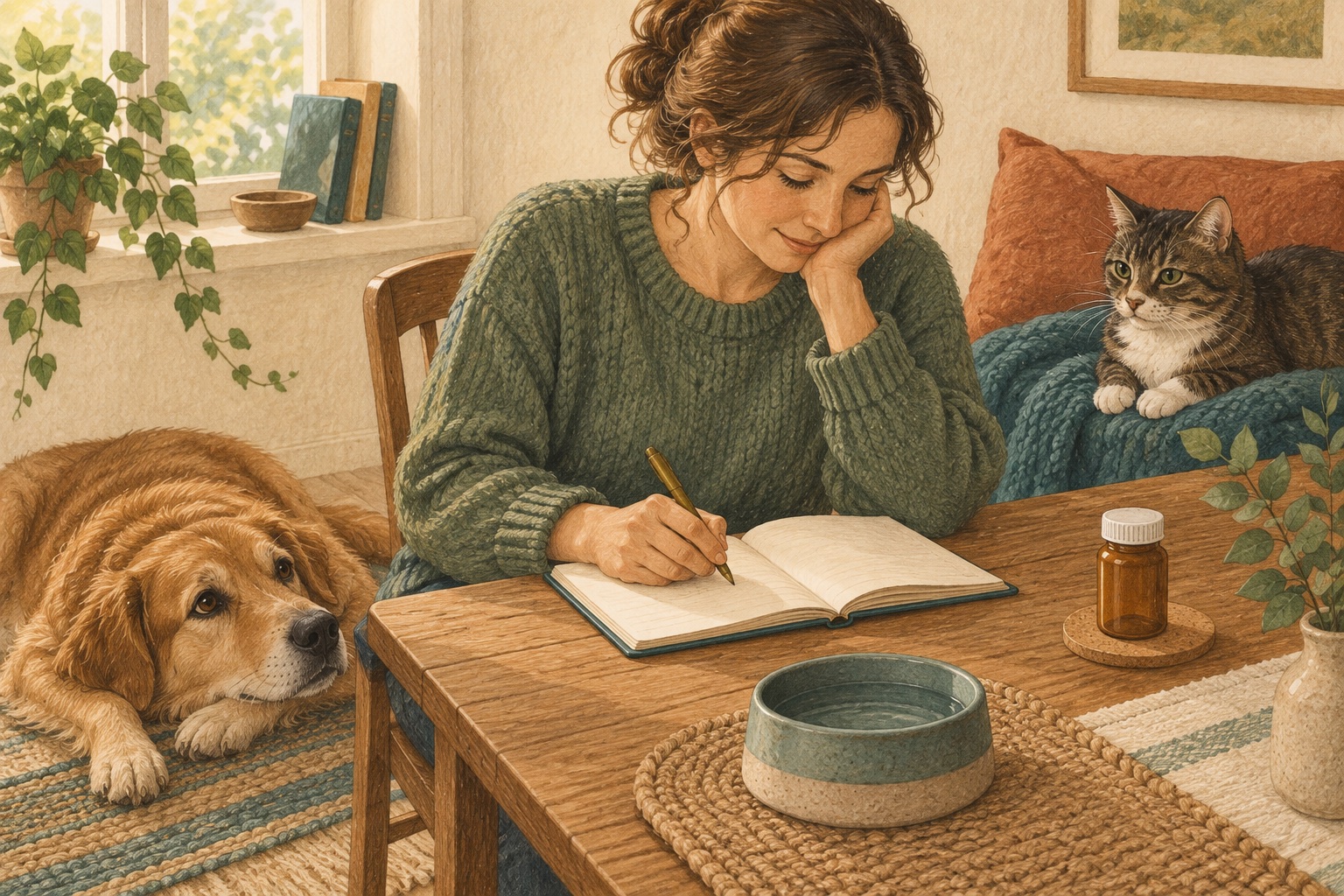
You do not need to measure everything. Start with what is ordinary, then keep a brief note when something is different.
Coat comfort and brushing, confidence on familiar walks, response to handling, appetite and rest.
General guides that can help you build a kinder routine around this dog.
Nuzzleway brings routines, care dates, gentle check-ins and private memories together for the dog you know.