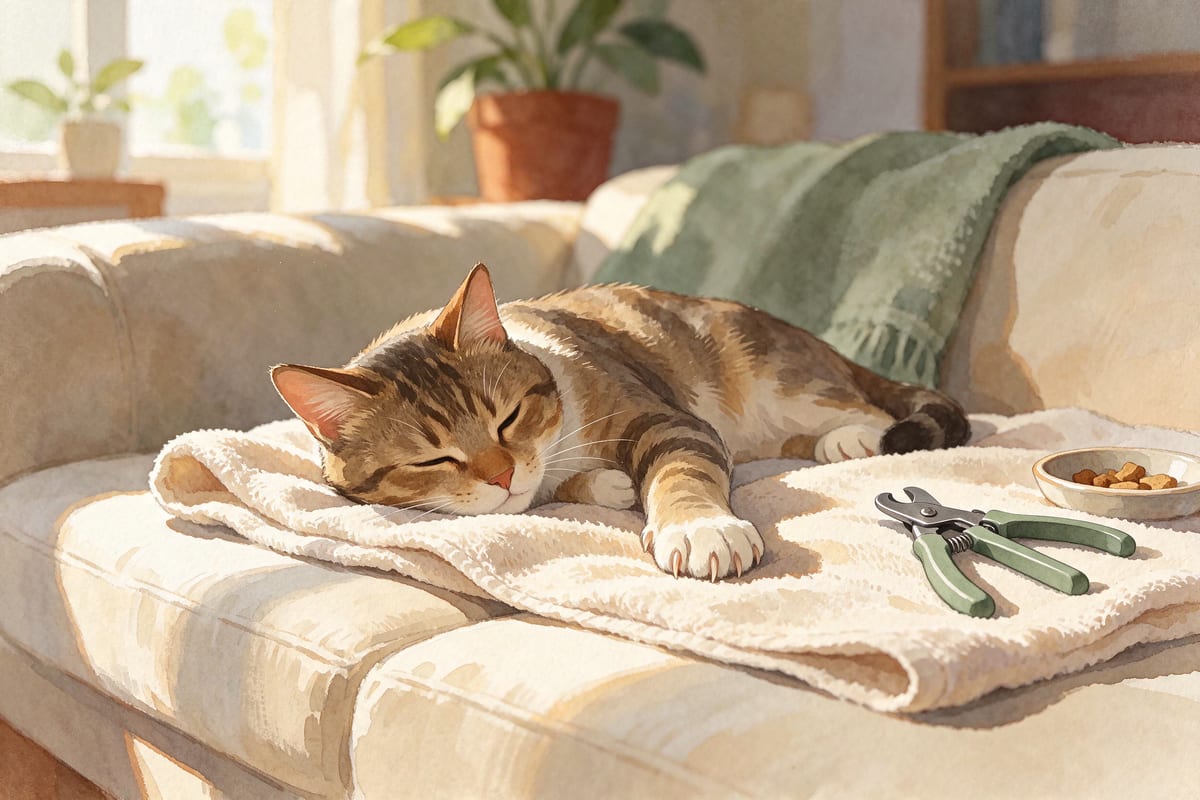
Many cats keep their claws short by scratching, so a trim is only needed when claws catch on fabric, tap on hard floors or curl towards the pad, which is common in older cats. To trim one, choose a calm moment, rest your cat on your lap facing away, press the top of the toe to extend the claw and snip only the clear tip, well before the pink quick. Stop after one or two claws if your cat becomes tense and finish with a treat.
| What you notice | What it can mean | Next step |
|---|---|---|
| Claws catch on blankets, carpets or clothes | The tips are long or sharp | Trim the clear tip of the affected claws |
| Tapping on tiles or laminate | Claws stay out when the paw is relaxed | Check all paws and trim if needed |
| Your cat no longer uses the scratching post | Stiff or painful joints, often with age | Check claws more often and mention it to your veterinary team |
| A claw curls into the pad, limping or swelling | Ingrown claw, possible infection | Veterinary appointment, not a home trim |
| Your cat pulls away, growls or swipes | The handling is too much right now | Stop and return to short paw-touch practice |
Based on the signs listed by International Cat Care and the ASPCA's nail-care steps. A partial session is still progress.
Does your cat need a nail trim?
Cats’ claws grow constantly, but scratching removes the old outer sheath and keeps most claws at a useful length. International Cat Care does not recommend routine trims for cats that maintain their own claws, because cats need healthy claws to climb, play and defend themselves.
Trimming becomes useful when scratching is not enough. Older cats with arthritis may find it painful to scratch, and their claws can overgrow, snag on soft furnishings or grow into the pad. Signs that a trim is due include:
- claws catching on bedding, carpets or clothes;
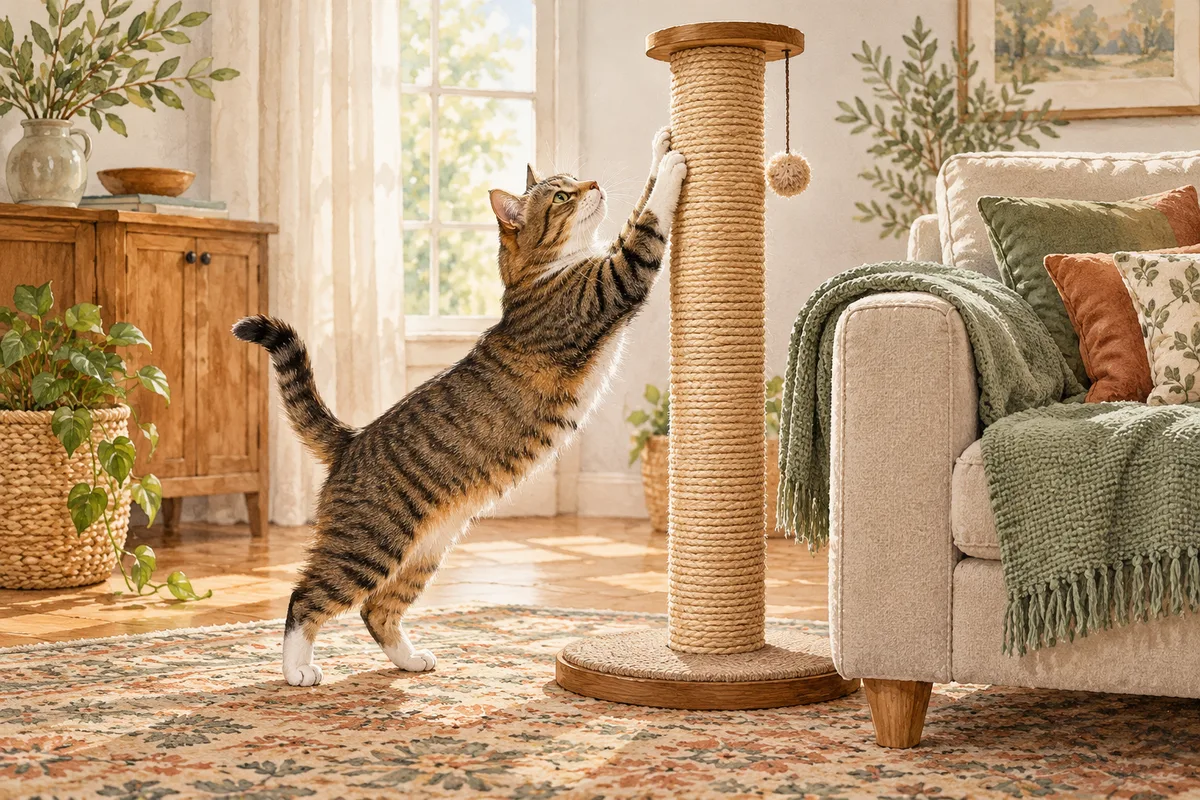
- your cat avoiding or struggling with the scratching post;
- claws visible while your cat is resting with relaxed paws;
- a tapping sound when your cat walks on hard floors.
Polydactyl cats, which have extra toes, also deserve a regular look. International Cat Care notes that an extra claw can grow around into the pad and cause limping or infection.
What you need before you start
- Cat claw clippers. Small scissor-style or guillotine clippers made for cats, sharp enough to cut cleanly.
- Good light. You need to see the pink quick inside each claw.
- Treats your cat loves. Small pieces you can give quickly after each step.
- Styptic powder or a styptic stick. Keep it within reach in case a claw bleeds.
- A towel (optional). Some cats feel more secure gently wrapped with one leg free.
Choose a quiet room with no other pets around, and a time when your cat is already relaxed or sleepy, for example after a meal.
Get your cat used to paw handling first
Paws are a sensitive area for most cats. International Cat Care explains that cats use their paws to escape and defend themselves, so touching them may not be welcome at first. Let your cat lead and keep each touch short.
The ASPCA suggests a simple routine over several days:
- Hold one paw gently for no more than three seconds. If your cat pulls away, follow the movement instead of squeezing.
- When your cat is still, press the pad lightly so the claw extends, release and give a treat.
- Practise on a different toe every other day until your cat is comfortable with all of them.
- Get your cat used to the sound of the clippers by cutting a piece of uncooked spaghetti near them, then giving a treat.
Never scruff a cat (hold the skin at the back of the neck) or pin them down to trim claws. Forceful handling causes distress and makes bites and scratches more likely.
How to trim a cat’s nails step by step
- Position your cat. Sit with your cat on your lap facing away from you, or gently wrap them in a towel with one leg free.
- Extend one claw. Hold a paw and gently press the top of the toe so the claw slides out. Be extra gentle with older cats, whose joints may be sore.
- Find the quick. Look for the pink area running down the centre of the claw. It contains blood vessels and nerves.
- Cut only the clear tip. Snip the sharp, transparent end, leaving a clear margin before the quick. It is better to take too little than too much.
- Stop early. Release the toe and give a treat. Until your cat is relaxed about trims, do no more than one or two claws per session.
- End on a good note. Finish with a treat or a short play session, even if you only managed one claw.
Remember the dewclaws on the inside of the front legs. They sit higher than the other claws and do not touch the ground, so check them every time.
How often should you trim your cat’s nails?
There is no single schedule. For cats that need trims, the ASPCA recommends one every ten days to two weeks. Many cats with good scratching posts need far fewer trims, or none.
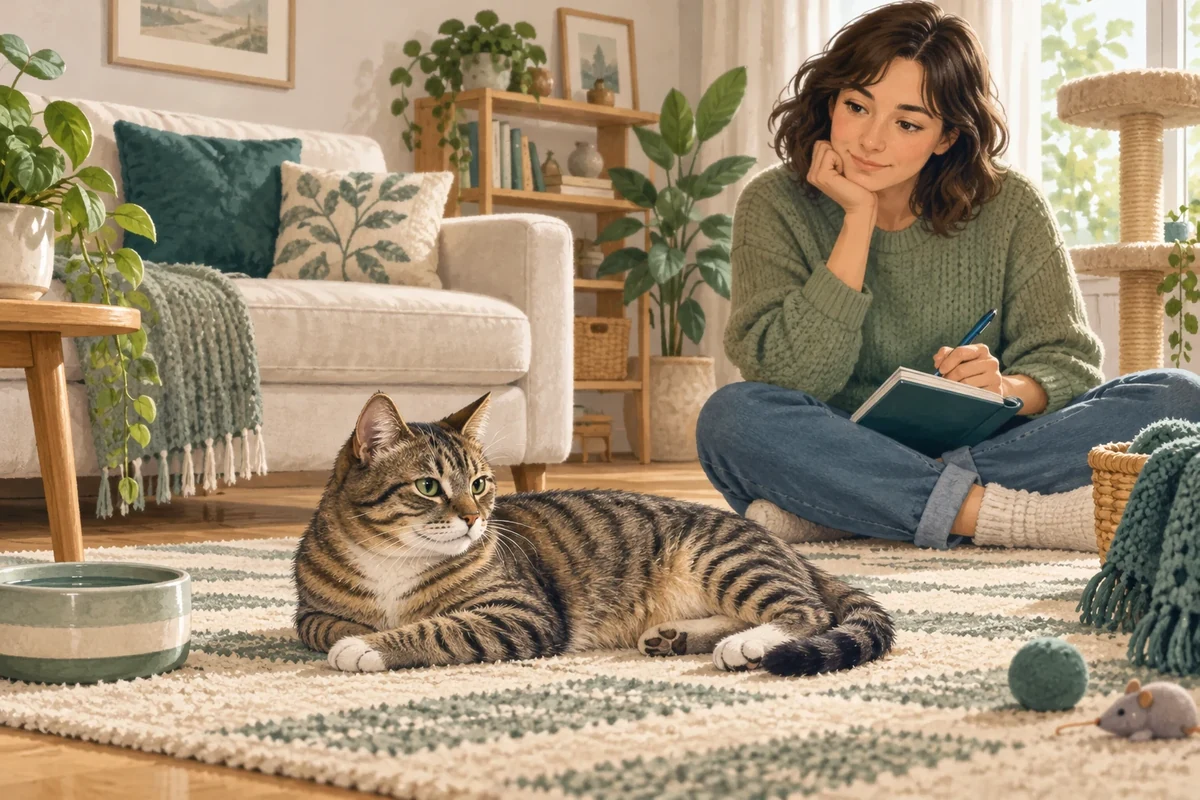
A practical approach is to check the claws every couple of weeks and trim only the ones that are long. Older cats and polydactyl cats usually need closer checks. Writing down the date and which paws you trimmed helps another person in the household avoid repeating the job.
If you cut the quick
A claw cut too short will bleed. Stay calm and press styptic powder or a styptic stick onto the tip, as the ASPCA advises, holding it gently in place for a few minutes. Let your cat rest somewhere quiet.
Contact a veterinarian if the bleeding does not stop, the claw is split or torn, or your cat keeps holding the paw up. Do not try to finish the session the same day. Return to easy paw-touch practice so the incident does not become a lasting fear.
Older cats and overgrown claws
When a claw has grown into the pad, the pad can become painful and infected. Do not try to pull it out or trim it at home: your veterinary team can remove it safely and treat the wound.
Senior cats often need their claws checked more often than younger cats, because stiff joints reduce scratching. Handle their legs gently and keep sessions very short. A cat who suddenly stops scratching may be in pain, so mention it at the next appointment, and see our guide to signs that a cat may be unwell.
Nail caps and declawing
Sources differ on soft nail caps. International Cat Care advises against them, because they can stop a cat from scratching, retracting its claws and grooming normally, which can be distressing. The ASPCA suggests asking your veterinarian about them. If furniture is your main concern, start with suitable scratching posts: see our guide on cats scratching the furniture.
Declawing is not a substitute for claw care. It involves amputating the end of each toe. International Cat Care considers declawing for non-medical reasons unethical, and the ASPCA strongly discourages it.
When to ask your veterinary team or a groomer
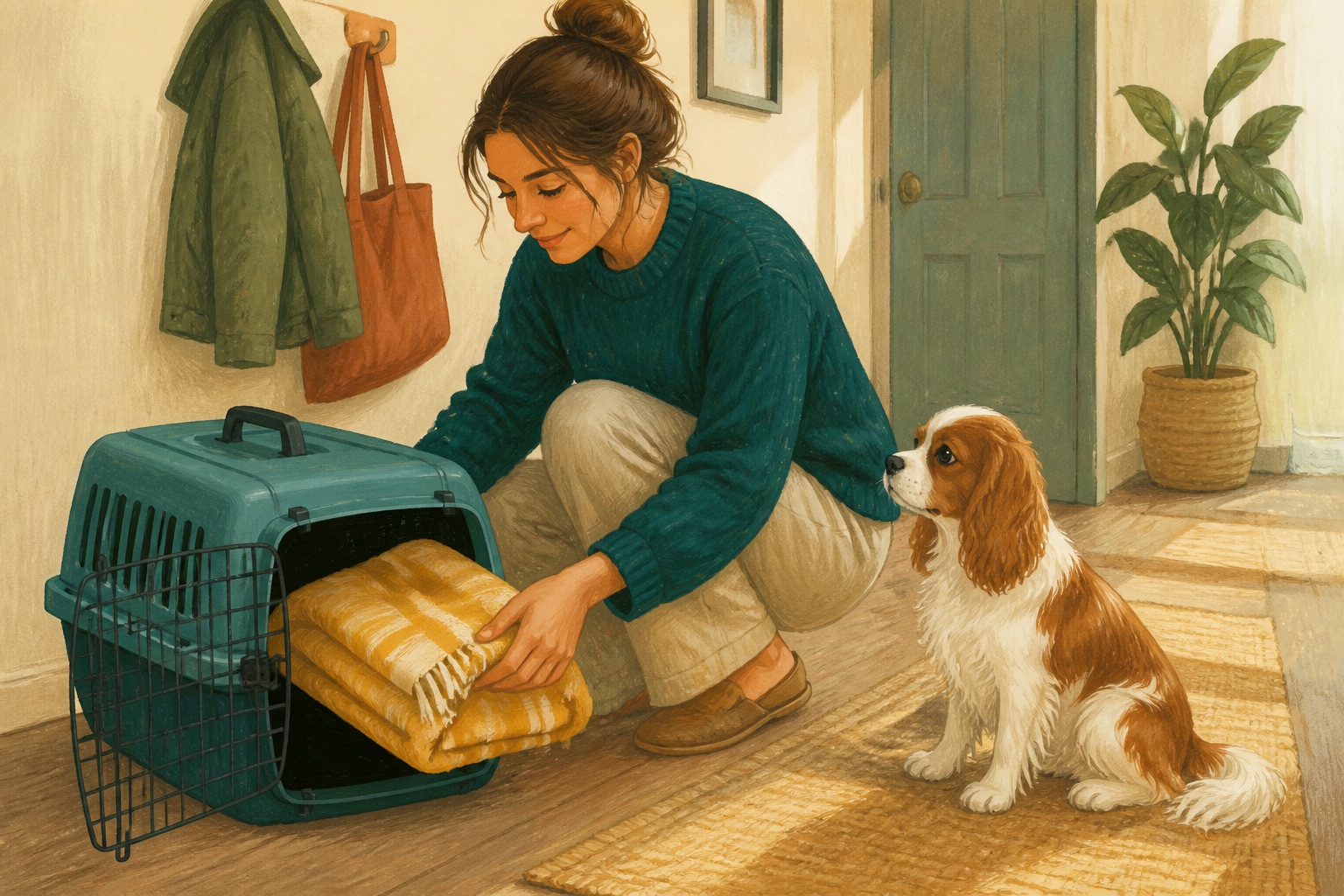
Ask for help if your cat becomes very frightened or aggressive during handling, if you cannot see the quick, if a claw is ingrown, split or bleeding, or if your cat seems sore when you touch a paw. Your veterinary team can trim the claws and show you a safe technique for your cat. Bring notes about which paws your cat protects and what you have already tried; our guide to preparing for a veterinary visit can help.
Frequently asked questions
How often should I trim my cat's nails?
It depends on the cat. Many cats keep their claws at a good length by scratching and rarely need trims. The ASPCA suggests a trim every ten days to two weeks for cats that need one. Check the claws every couple of weeks and trim when they catch on fabric, tap on hard floors or stay visible while your cat rests.
Can I use human nail clippers on my cat?
Clippers made for cat claws are the safer choice. They are sized for a small curved claw and let you see exactly where you cut. If you are unsure which tool suits your cat, ask your veterinary team to show you.
Is it better to clip or grind a cat's nails?
Most cats are trimmed with small scissor-style or guillotine clippers because a cut is quick and quiet. A grinder removes less at a time but adds noise and vibration that many cats dislike, so it needs gradual introduction and very brief contact.
What should I do if I cut the quick?
Stay calm and apply styptic powder or a styptic stick to the tip with gentle pressure. Keep your cat quiet for a few minutes. Contact a veterinarian if the bleeding does not stop or the claw is torn.
My cat hates having its nails trimmed. What can I do?
Do not hold your cat down or scruff them. Go back to short paw-touch sessions followed by a treat, trim one or two claws at a time, and stop at the first sign of stress. If your cat still cannot cope, your veterinary team or a cat groomer can trim the claws and suggest a plan.
Do indoor cats need their claws trimmed?
Not always. Indoor cats with good scratching posts often maintain their own claws. Older, arthritic or less active cats scratch less, so their claws can overgrow and even curl into the pad. Check them regularly.
These articles offer general, everyday guidance. They do not replace advice from a qualified veterinary professional.