The short answer
If a dog suddenly does not want to walk, stop treating the behaviour as stubbornness and do not pull them forward. Check for pain, illness, paw or equipment discomfort, heat, fatigue and something frightening in the environment. A sudden change, limping, difficulty rising, unusual breathing or marked distress needs prompt veterinary advice. When health concerns have been addressed, reduce the difficulty and rebuild the outing gradually at a distance and pace the dog can manage.
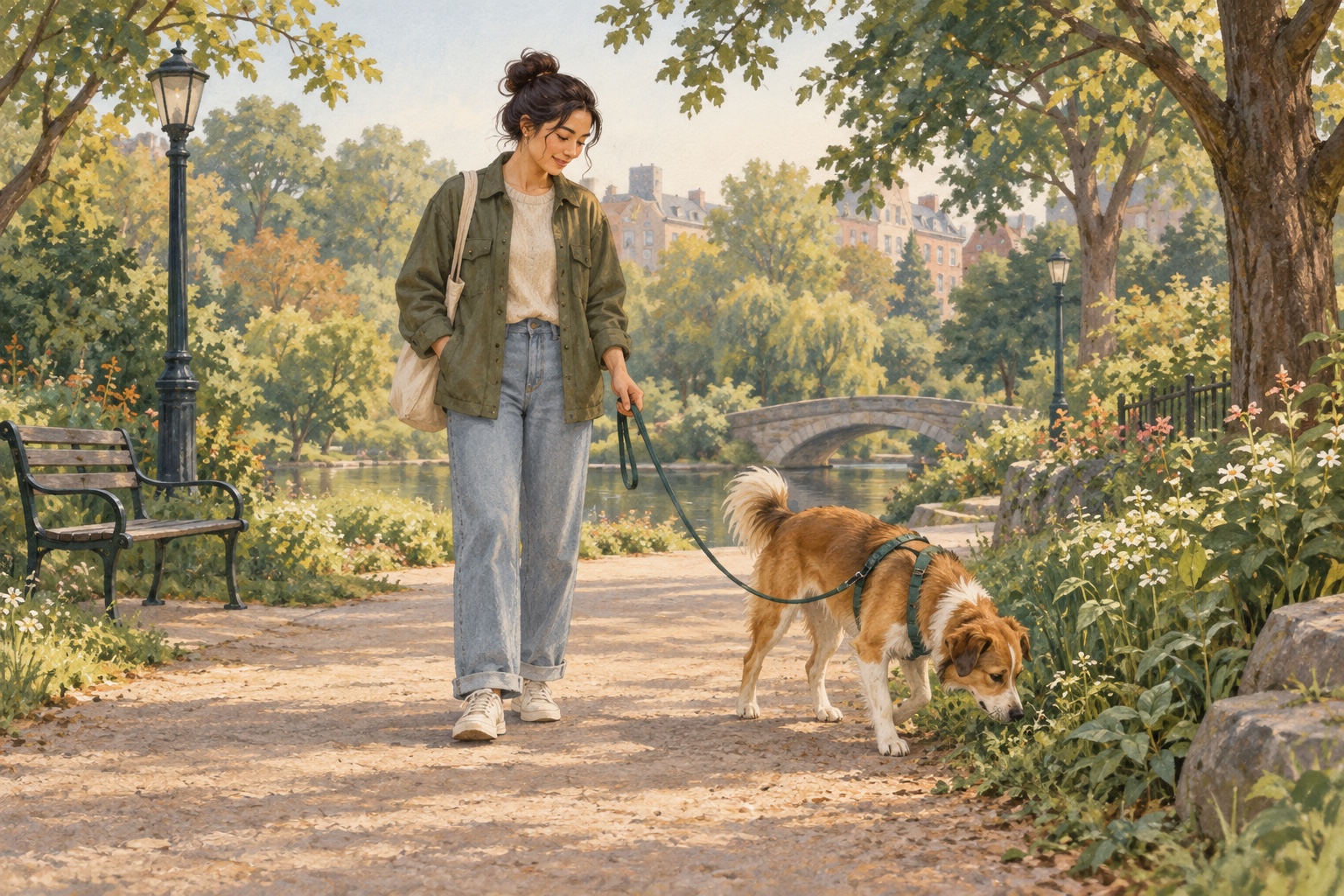
It is common to assume that every dog becomes wildly excited when they hear the word “walk”. Yet it is relatively common for a dog to freeze, sit down, lie on the ground or try to turn back home as soon as they cross the doorway. What should you do if your dog does not want to walk? Do not force them or pull hard on the lead: first understand whether the refusal is sudden, where it begins and what else has changed.
Why might a dog refuse to walk?
Before trying to correct the behaviour, understand what may be happening. Fear or limited social experience can make traffic, construction noise, asphalt, unfamiliar people or other dogs overwhelming, especially for some puppies and adopted dogs with difficult previous experiences. A recent firework, collision or attack can also create a temporary block linked to one place or sound.
Physical pain or illness is another possibility, particularly when refusal appears suddenly. Joint discomfort, stiffness, gastrointestinal illness, sore or burned paw pads and fatigue can make movement unpleasant. Equipment matters too: a harness that rubs under the front legs, a collar that presses on the neck or a lead that allows too little comfortable movement can make the dog associate walking with discomfort.
Environmental conditions can be enough to change willingness: very hot ground, extreme cold, rain or strong wind affect individuals differently. Context helps separate possibilities without diagnosing them. Notice whether the dog hesitates before the harness goes on, at the doorway, on one street, after a distance or only in particular weather, and whether appetite, sleep, toileting, breathing or behaviour has also changed.
| What you notice | What to check | Next step |
|---|---|---|
| Sudden refusal or slower movement | Paws, gait, getting up, appetite, breathing and general behaviour | Contact the veterinarian promptly when the change is new or concerning |
| Stops when equipment appears | Fit, rubbing, restriction and previous handling experience | Reintroduce comfortable equipment gradually; seek advice if handling causes distress |
| Stops at the door or on one route | Noise, traffic, surfaces, other animals and recent frightening events | Reduce difficulty, create distance and use a quieter alternative |
| Stops in heat, cold or after a distance | Surface temperature, shade, pace, fatigue and recovery | End or shorten the outing and reassess before trying again |
This table organises observations; it cannot identify the cause of the refusal.
Rule out pain or illness before treating it as a training problem
A dog who suddenly refuses a familiar walk may be communicating discomfort. Limping, stiffness, slower movement, licking the paws, difficulty getting up, unusual breathing, low appetite or a marked change in energy all strengthen the case for prompt veterinary advice.
Do not give human painkillers or use a behaviour exercise to push through suspected pain. Stop the activity, note what you observed and contact the veterinary team. An older dog is not the only dog who can experience pain, and a new difficulty should not be dismissed as age or stubbornness.
Check the lead, harness and environment
Inspect the equipment for rubbing, broken parts, twisting or restriction. A well-fitted ergonomic Y- or H-shaped harness may allow comfortable shoulder movement for many dogs, but the fit matters more than the label. Avoid equipment that tightens, restricts movement or causes rubbing, and seek individual advice when you are unsure.
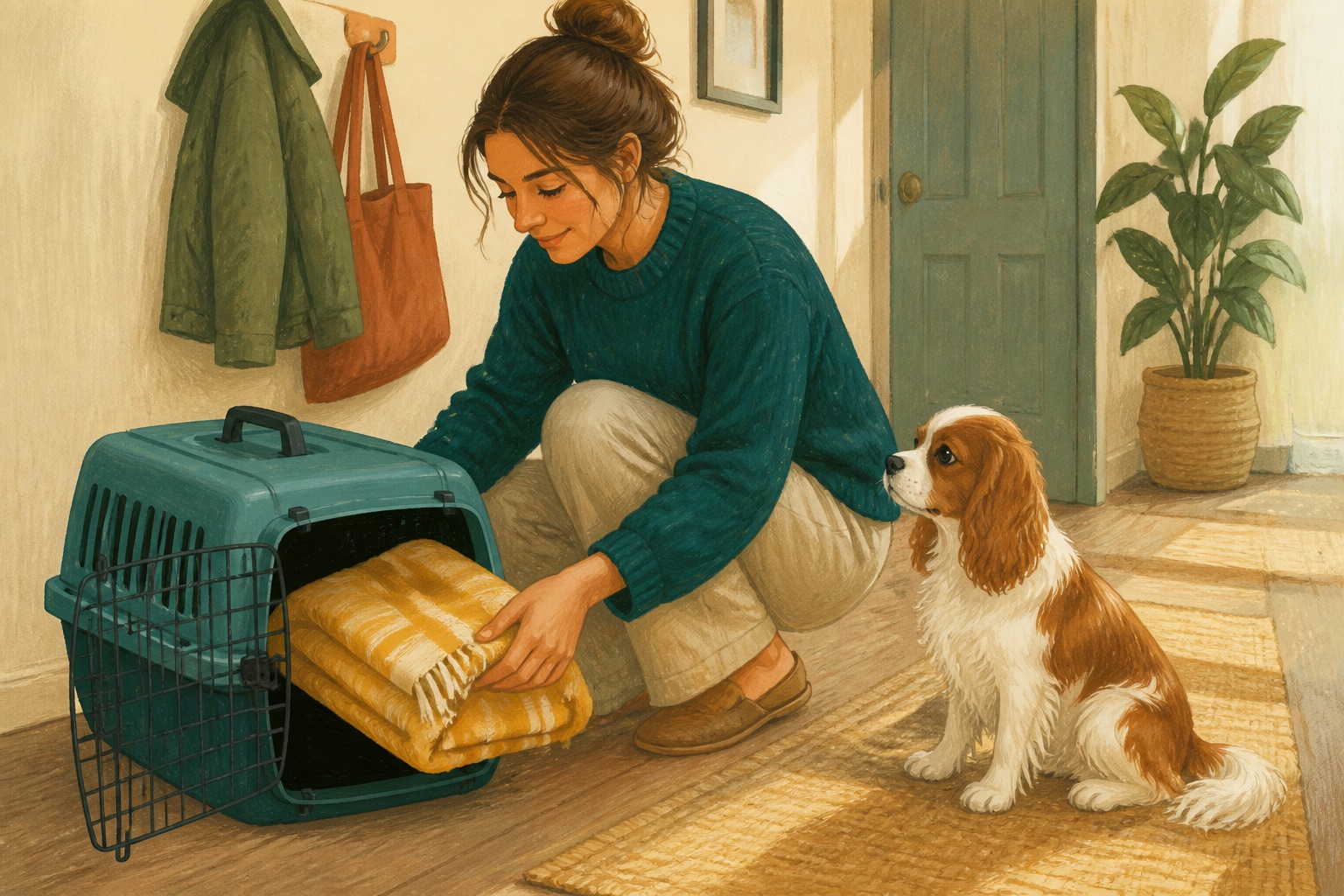
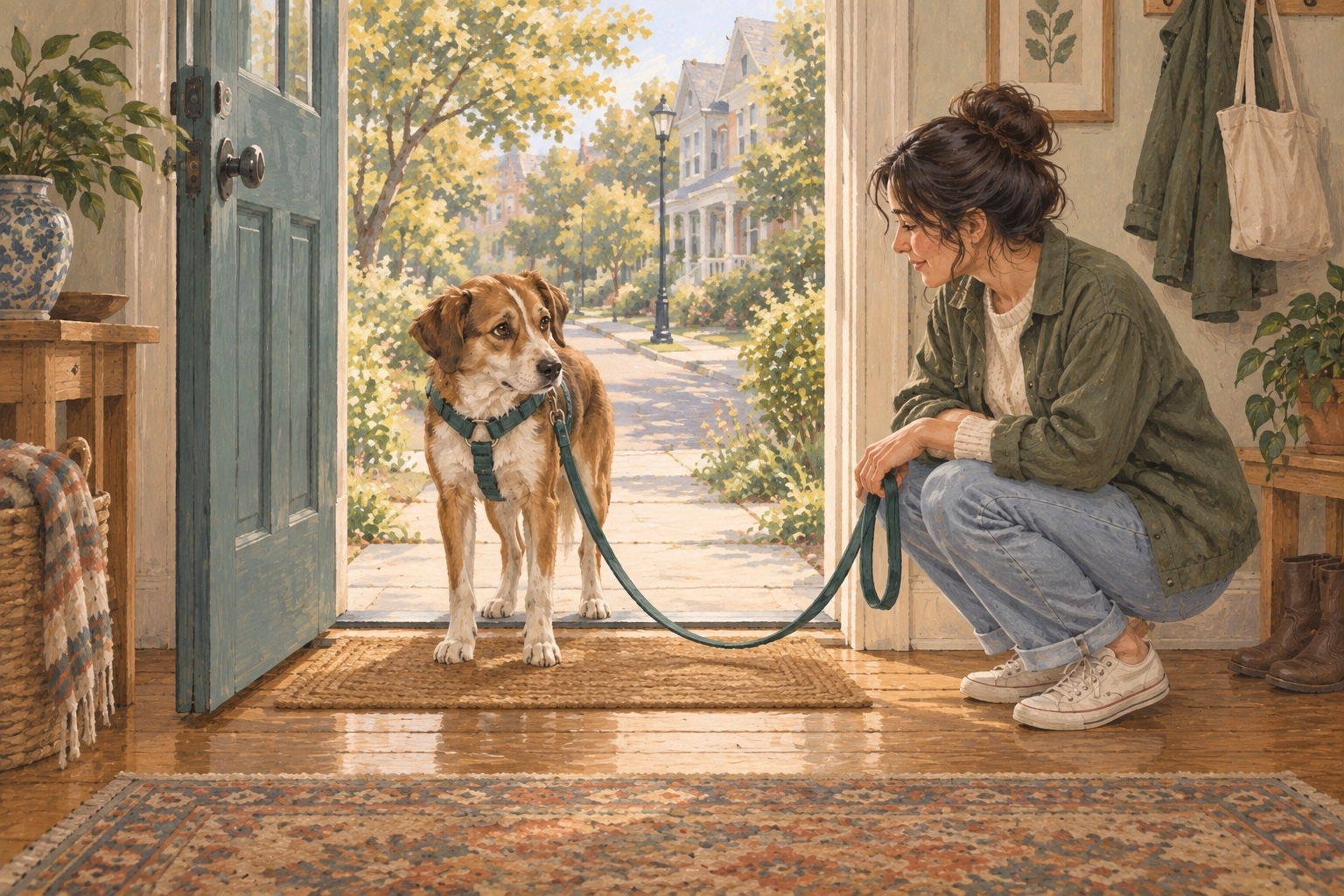
Create positive associations at home before going outside. Put the harness and lead on for a short period, then offer an appropriate high-value reward or a familiar game. The point is to make the equipment predict something pleasant without keeping the dog dressed for a full walk before they are comfortable. If touching or fastening it causes a strong reaction, stop.
Then look beyond the equipment. Choose a cooler, quieter time and a short predictable route with room to move away from traffic, people or dogs. A dog frightened by a lorry, fireworks or an attack may react to one place or sound rather than to walking itself.
Rebuild the outing in small, voluntary steps
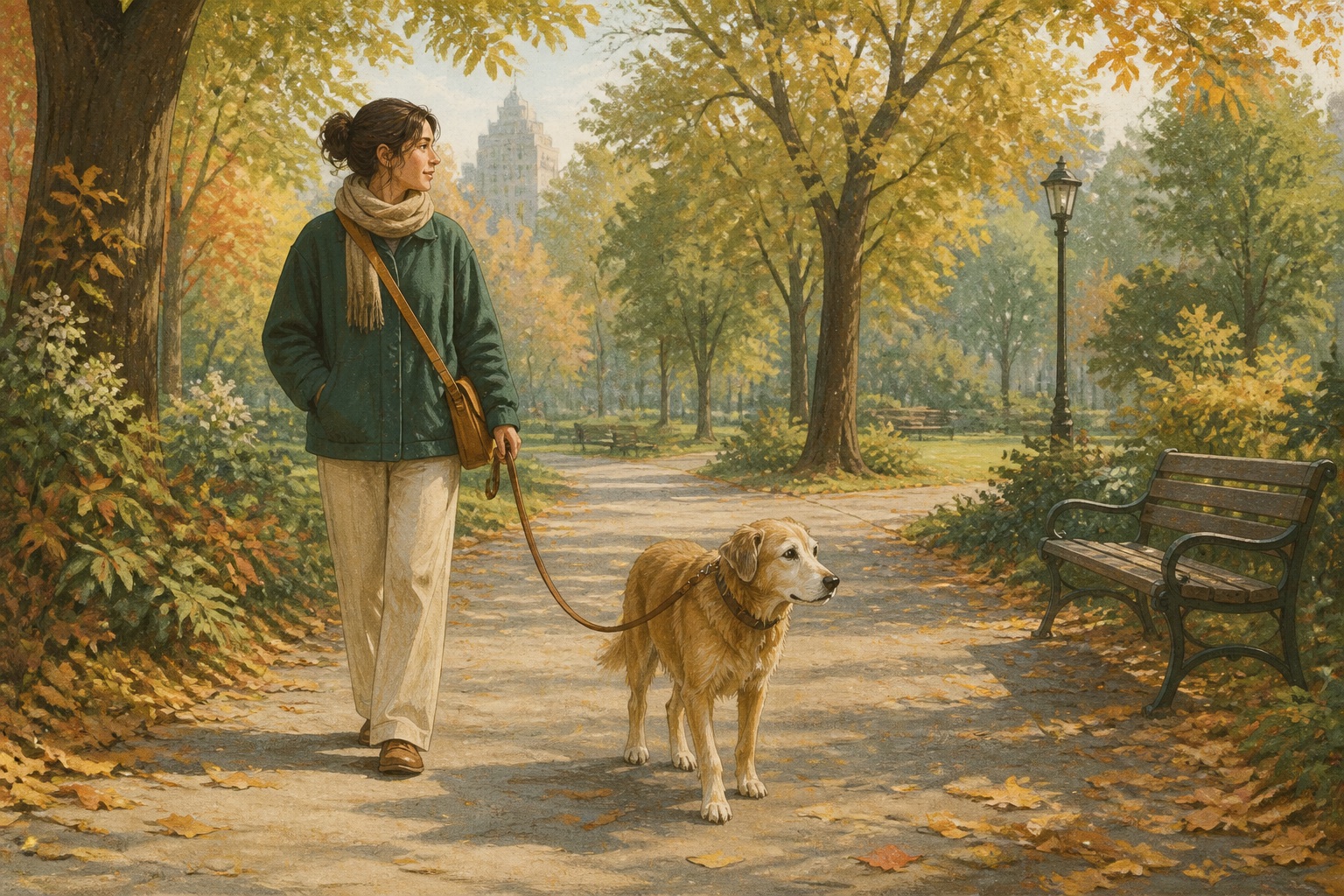
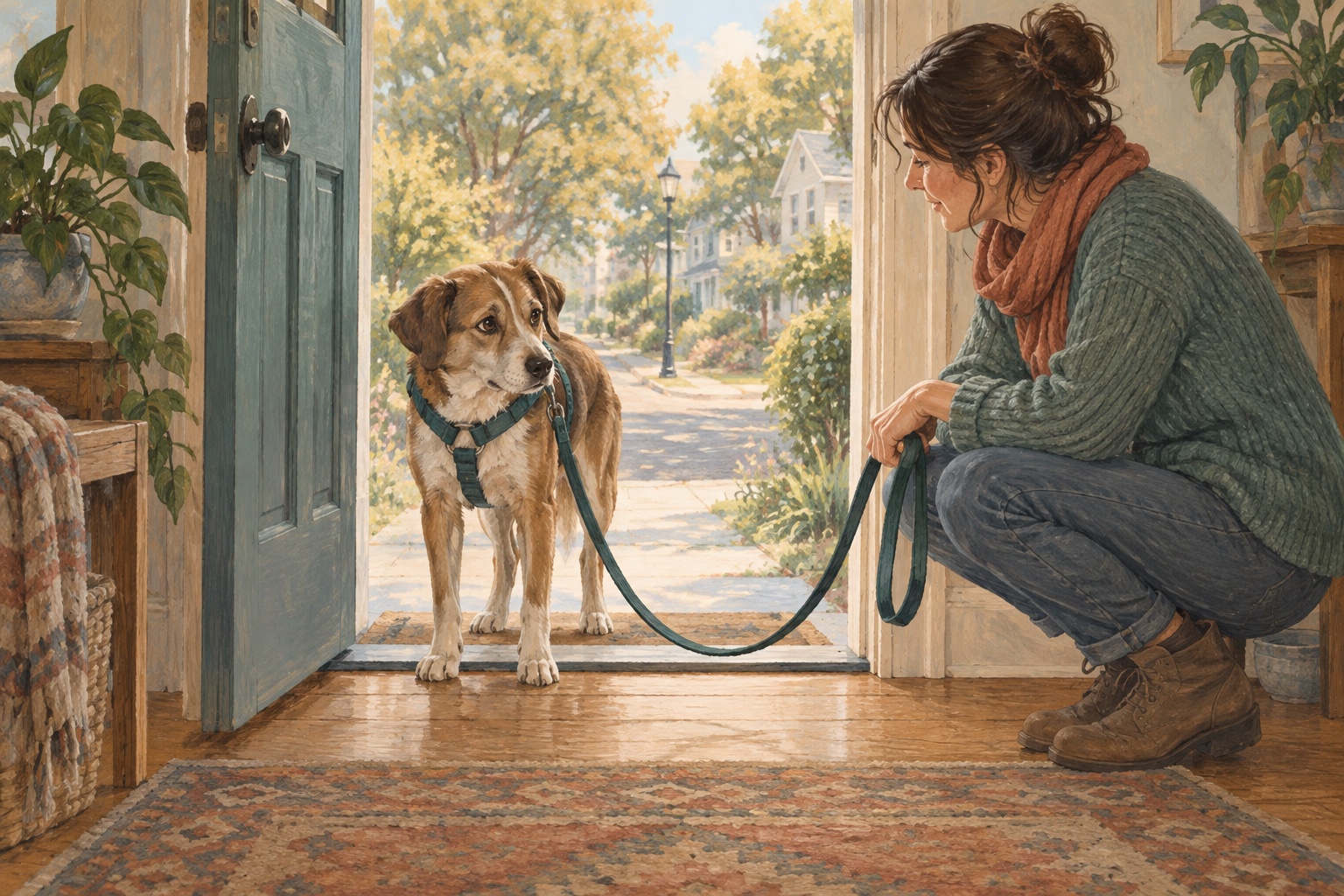
Move at the dog’s pace, without forcing or jerking the lead. Begin below the point where they become overwhelmed: calmly approach the door, open it, stand in the hallway or take only two steps outside. Reward each voluntary advance with a warm voice or an appropriate treat and allow retreat. If the block is complete, return inside and try again later instead of turning the threshold into a struggle.
Several easy repetitions are more informative than one long attempt that ends in panic. Progress is not measured only by distance: looking outside, approaching the harness, sniffing near the doorway or recovering more quickly can all show that the situation is becoming manageable.
Quiet times and low-traffic streets reduce stressful input. A short, predictable route can help the dog gain confidence. If the dog cannot remain comfortable at the easiest step, ask for professional support rather than increasing pressure.
What should you never do when a dog refuses to walk?
Do not pull or drag the dog. It can increase stress and consolidate the association between the street and discomfort. Do not scold or punish them either: fear and pain are not corrected with discipline, and anger can confirm that going outside predicts something unpleasant.
Do not use forced exposure or “flooding” by taking the dog into a crowded or noisy place in the hope that fear will disappear. It can produce the opposite result: greater sensitisation or a deeper block. Avoid labelling the dog as lazy or manipulative before checking physical and environmental context.
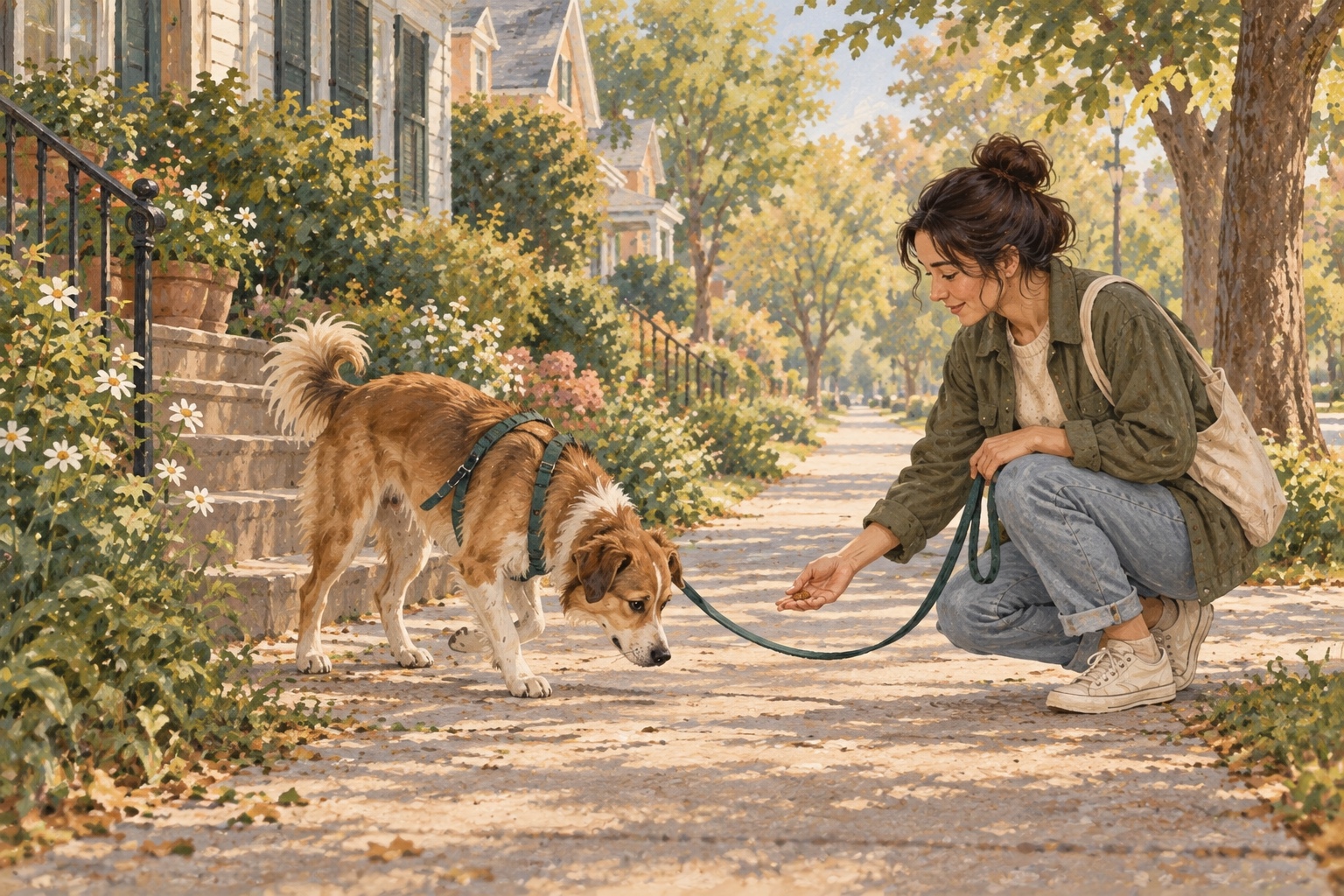
Do not rely on food to lure a dog deeper into a situation that remains overwhelming. Rewards can support voluntary steps, but they should not remove the dog’s ability to stop or move away. Safety, distance and a manageable level of difficulty come first.
When should you ask for professional help?
Contact a veterinarian for a sudden refusal, signs of pain, altered breathing, weakness, repeated fatigue or any other health change. If the situation appears urgent, stop the walk and contact a veterinary emergency service rather than waiting for another attempt.
Once physical causes have been assessed, intense panic, trembling, defensive aggression or persistent inability to leave home are reasons to contact a qualified reward-based dog professional or clinical behaviourist working with the veterinary team. Bring a short timeline: when the problem began, where it occurs, what the dog does, what changed around it and what helps them recover.
What to check when a dog refuses to walk
- Stop pulling and observe
Pause in a safe place. Note whether the dog freezes at the door, on one surface, near a sound or only after moving for a while.
- Check for a health change
Look for limping, stiffness, reluctance to rise, sore paws, unusual posture, breathing changes or other behaviour that differs from normal. Seek veterinary advice when the change is sudden or concerning.
- Inspect the equipment
Check that the harness and lead fit comfortably, are not damaged and do not restrict movement. Introduce unfamiliar equipment in small steps indoors.
- Reduce the environment
Choose a quieter time, a familiar doorway or a shorter route. Create distance from traffic, dogs, people or sounds that make the dog hesitate.
- Rebuild below the difficult point
Reward voluntary steps and return before the dog is overwhelmed. Forced exposure or punishment can make the association with walking more difficult.
- Ask for coordinated help
Persistent fear or unsafe walks may need a qualified reward-based behaviour professional working alongside the veterinary team.
Record the pattern without diagnosing it
Write the date, exact place where the refusal began, what happened just before it, body language, weather and surface, how far the dog was willing to go and how quickly they recovered. A short factual timeline is useful for the veterinarian or behaviour professional. It is not a reason to delay help when the dog appears painful, unwell or distressed.
Sources and further reading
This general guidance was researched against the following veterinary and animal-care sources:
Frequently asked questions
Why does my dog suddenly not want to walk?
A sudden change can be associated with pain, illness, sore paws, fear, weather or equipment. Stop forcing the activity and contact a veterinarian when the change is new or concerning.
Should I pull my dog when they stop?
No. Pulling does not identify the cause and can increase pain or fear. Pause, make the situation easier and assess health, equipment and environment.
Can an uncomfortable harness make a dog refuse to walk?
Yes. Rubbing, restriction, poor fit or a negative handling experience can affect willingness to walk. Check the equipment and introduce changes gradually.
How can I help a dog who is afraid to go outside?
Start with a step they can manage, use quiet times and familiar places, allow retreat and reward voluntary investigation. Seek qualified help if fear is intense or persistent.
When should refusal to walk be checked by a veterinarian?
Seek prompt advice for a sudden refusal, limping, stiffness, pain, unusual breathing, weakness, reduced appetite or another marked change.
These articles offer general, everyday guidance. They do not replace advice from a qualified veterinary professional.
Keep the facts together
Create a short timeline of what changed.
Nuzzleway helps you keep dated observations and relevant context together, ready to summarise for a professional conversation.